
For A Crowd That Leans
Crowd Control Barrier Rental in Winnipeg
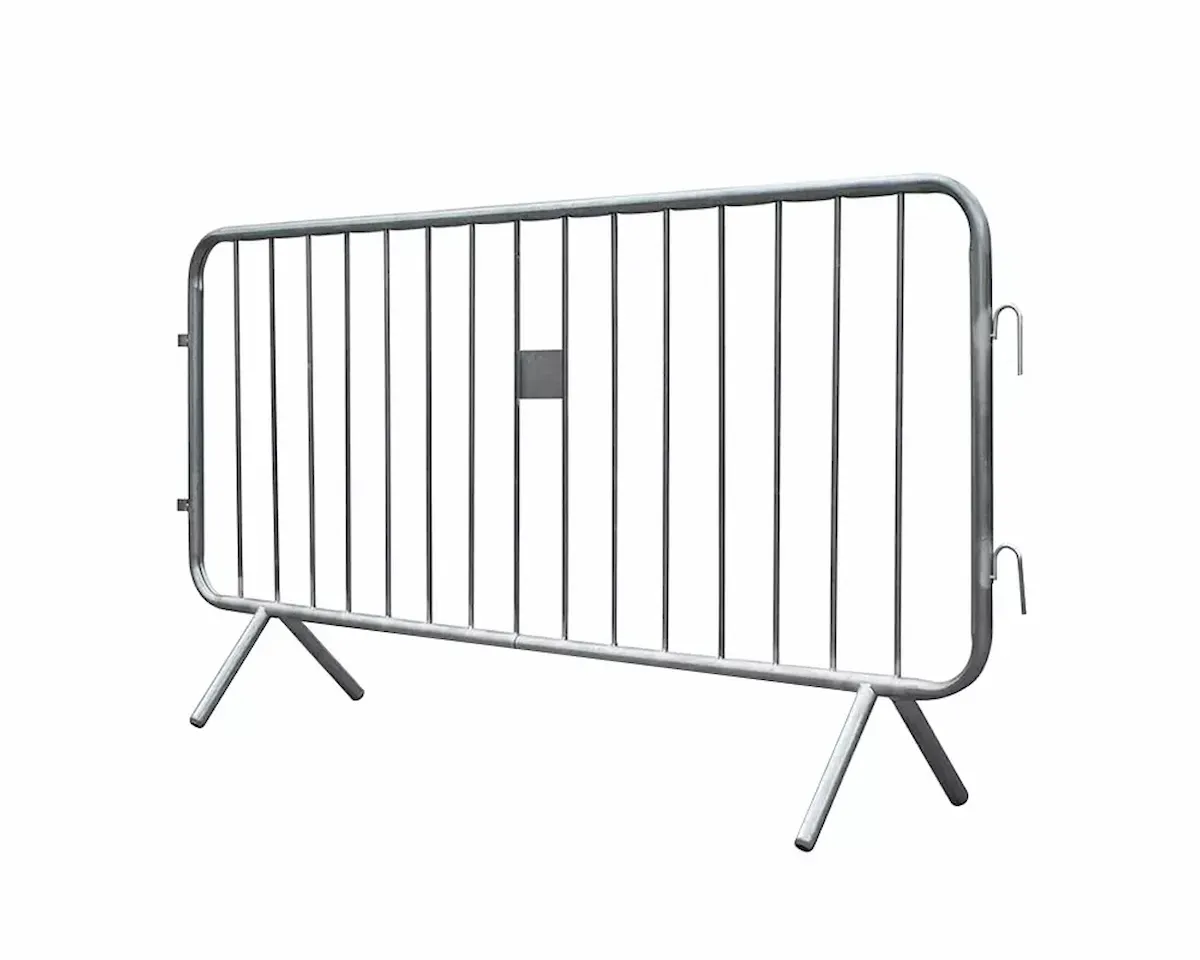
Sooner or later a crowd puts its weight on something. Better that it be steel: 6.9 ft sections locking end to end into a perimeter, going out across Winnipeg and Manitoba alongside whatever else is on your order.
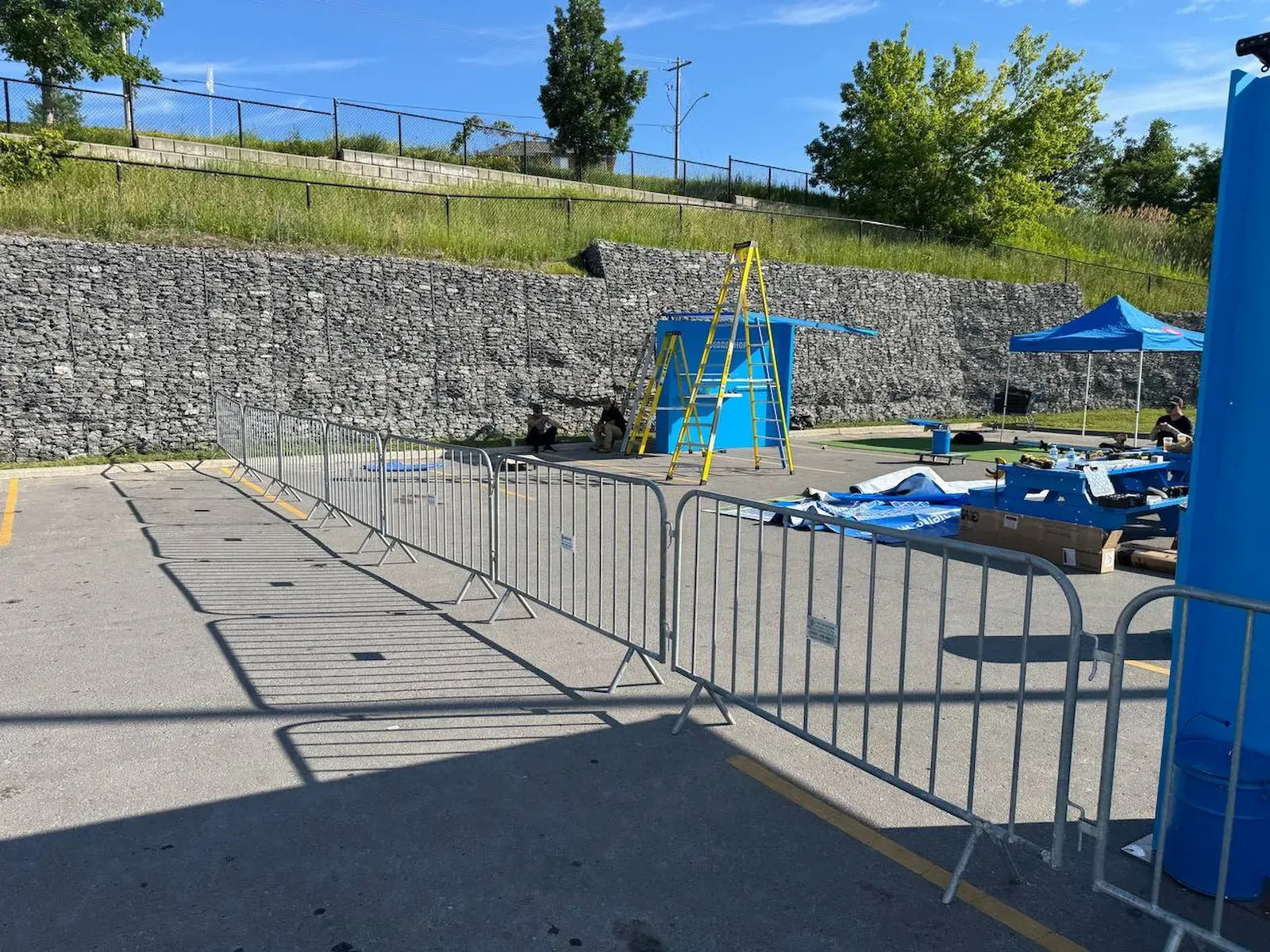
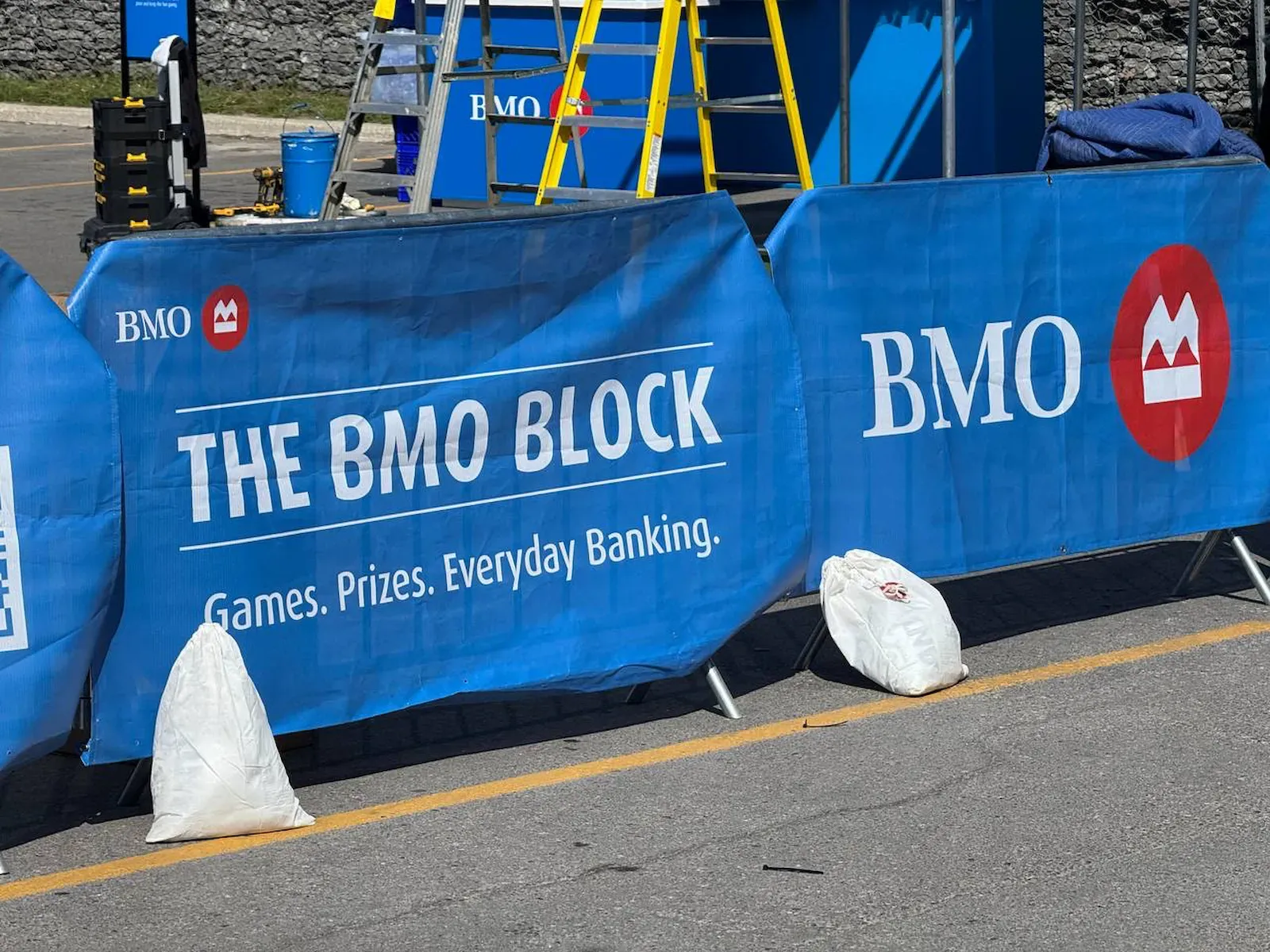
Image 1 of 2
Specifications
| Material | Galvanized steel |
|---|---|
| Barrier section size | 3.6 ft × 6.9 ft |
| Rental period | From 1 day to a month+ |
Our barriers in action
Runs photographed where they stood, on live sites.
Where barriers are used
Three conditions send people here: the crowd is outdoors, the crowd is standing, or the crowd has outgrown anything rope can do. Common jobs around Winnipeg:
Festival & concert perimeters
Shutting a site in, drawing the ticketed line, and keeping anybody without a pass out of production.
Side of stage & production areas
Wings, cable runs and the steps at the side of a stage — all places the public has no business walking.
Street closures for activations
A road or laneway closed for a launch, with passing traffic kept firmly off it.
VIP & backstage separation
Marking exactly where general admission stops and crew, talent or VIP space starts.
Queue overflow
The moment rope has run out of authority: doors about to open, the front of the line already pressing.
Outdoor arrivals & red carpets
A pen for the media, and the public held clear of the arrivals carpet.
Parades, runs & road events
Spectators kept on the pavement, and every side street feeding the route closed off.
Load-in, generators & production
Trucks, cabling and generators fenced in so nobody strolls into any of it.
Licensed areas & beer gardens
A licensed area given one continuous edge and exactly one entrance worth watching.
Ticket gates & bag check
Arrivals fed into separate search lanes, with the waiting line held back off the scanners.
Drop-off & marshalling zones
A shuttle or rideshare drop kept apart from the foot traffic crossing in front of it.
Barriers or stanchions?
Plenty of events end up with both on site. Telling them apart is easier than it sounds:
Stanchions work on people who have already agreed to be directed: an indoor queue, a registration lane, an arrival route. Their job is to describe a path, not to resist one.
Barriers answer three questions at once — what goes outdoors, what covers distance, and what holds up when the line itself takes weight. Site edges, closed streets, anything a crowd will lean into.
Indoor queue? Go to belt stanchions →. Dressed arrival? Rope stanchions →. A rail the front row occupies for an entire set is a separate product altogether: stage barriers →.
How many barriers you need
Count in sections, never in feet. Since one covers 6.9 ft, divide whatever you are closing by seven and round up — a 40 ft laneway lands at six, a 120 ft run along the back of a site at eighteen. And measure the line that actually has to hold rather than the full footprint; on most sites a building or a wall is already doing some of the job for you.
What catches people out is gates. Drop a 10 ft crew opening 40 ft along that 120 ft perimeter and there is no longer one run to close — there are two, of 40 ft and 70 ft, each rounding up separately. Six plus eleven gives seventeen. Take the gap off the total instead and you order sixteen and fall short. Roughly a section disappears into rounding for every opening, so count gates before you measure anything.
After the total comes the shape. Every corner is a joint that has to sit square, and every opening — crew access, a load-in lane, an accessible route — is something to design in rather than find on the morning. Send us the line being held plus each point people or vehicles cross it, and the count answers both.
Delivery and setup
We drive it anywhere in the province, and coming back for it afterwards sits inside that same line — the same truck is not billed twice. Barrier is awkward rather than heavy, which makes the real question how close a vehicle can park to where the run has to stand.
Give us dates, a section count and the address, and the quote arrives broken out line by line. The weeks that fill are festival season and the December corporate run; outside those two stretches nothing is closed on notice.
FAQ
How much does it cost to rent crowd control barriers in Winnipeg?
The section is the unit, and the price answers two things: how long the run is and how many days it stands. At 6.9 ft per section, a length plus the corners plus the gate positions is all the arithmetic needs. Back comes one itemised figure with both journeys on their own line.
Are they made for outdoor use?
Almost everything we send out goes outside — festival ground, closed streets, parade routes, activations. The steel is galvanized so weather is not a problem, and because sections interlock, the run behaves as a single line instead of a row of loose pieces. Tell us the surface and the layout with your dates and the count arrives on the quote.
Who puts the run together on site?
Whichever suits you. Dropping it off and collecting it later is one arrangement rather than two, and putting our crew on the placement is an option layered on top of that — see Delivery and setup below.
When should a barrier order go in?
Festival season and the corporate evenings in December are the weeks that actually run out, so those deserve booking ahead. Everything else carries no cut-off whatsoever — send the dates even at short notice and we will tell you what stands against them.